In a small saucepan reduce the honey glaze until thick.
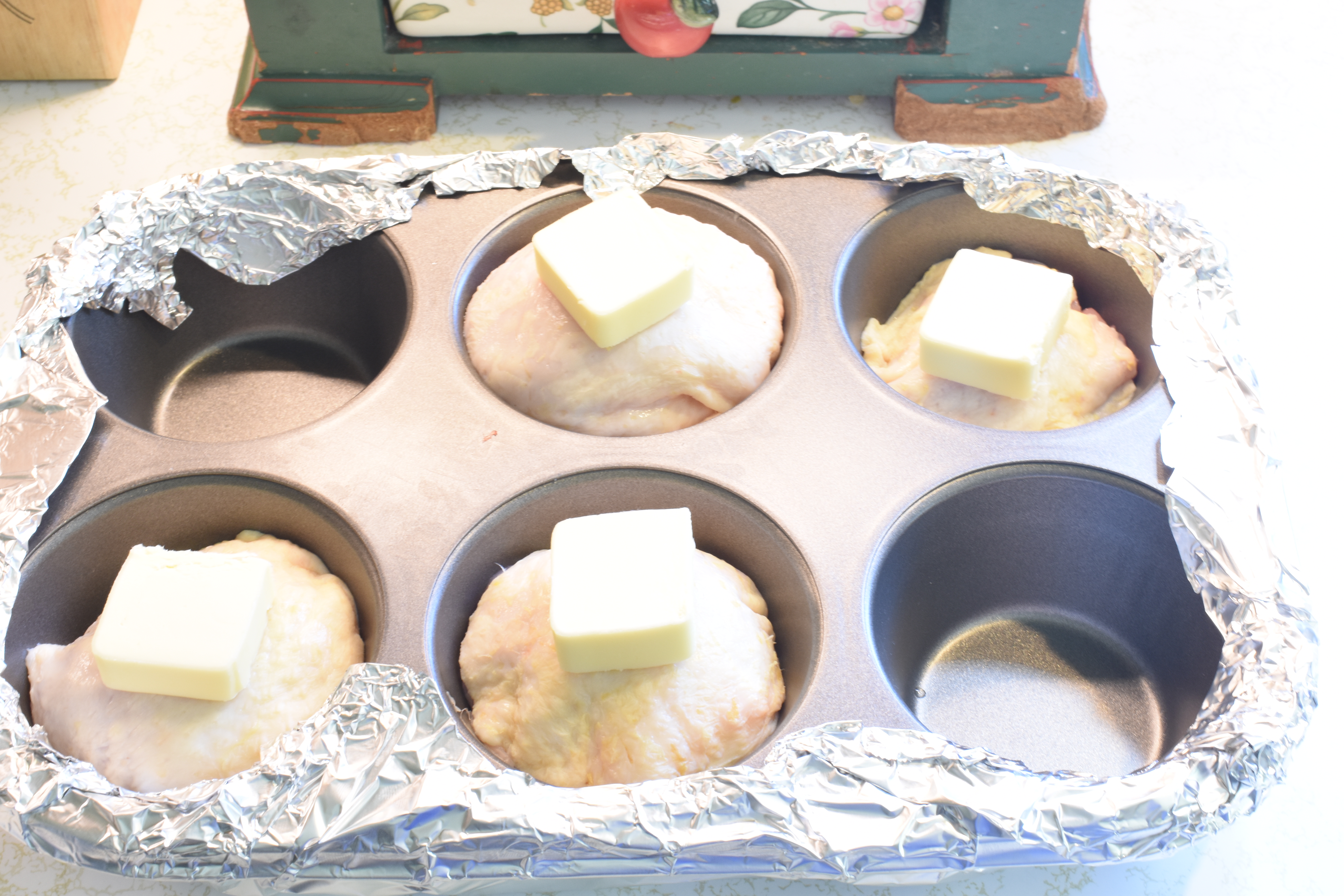
Cut the knuckles off the chicken with poultry sheers or trimming sheers. Cut away any excess skin and fat. Place the chicken in the cupcake tray and add one TBSP of butter on top.
Smoke chicken thighs in apple wood for 2 hours at 250° smoke. Remove and install the chicken after draining away the excess juice and oil in the pan.
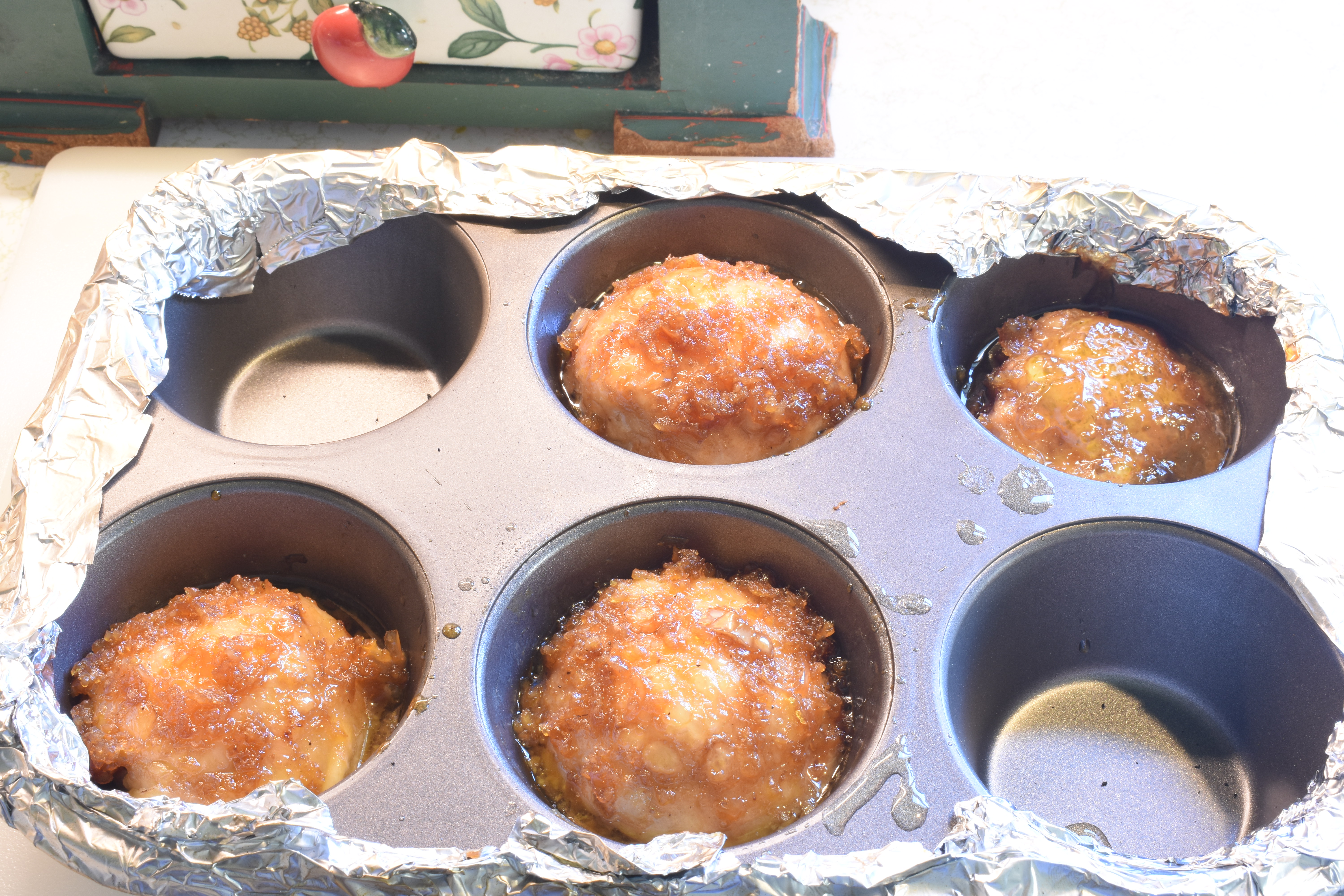
Place the chicken back in the muffin tin and cook in a 450° oven and another 20 minutes. Add the honey sauce and cook another 5 minutes. Remove from the oven and let stand 5 minutes let the honey glaze
5 large size green bell peppers (from the garden) ½ lb. ground beef ½ lb. ground pork 1 cup of rice cooked 14.5 oz. can stewed tomatoes 2 TBSP tomato paste ½ onion finely chopped ½ bell pepper finely chopped (from the garden) 1 celery stalk finely chopped 3 scallions finely chopped 2 garlic cloves (from the garden) 1 stem fresh sage (from the garden) 1 stem fresh thyme (from the garden) 1 stem fresh oregano (from the garden) 1 stem fresh rosemary (from the garden) Pinch brown sugar Red pepper flakes Chicken Broth Olive oil S&P Shredded Mixed Italian Cheese
Cook rice.
Lightly brown meat, then drain.
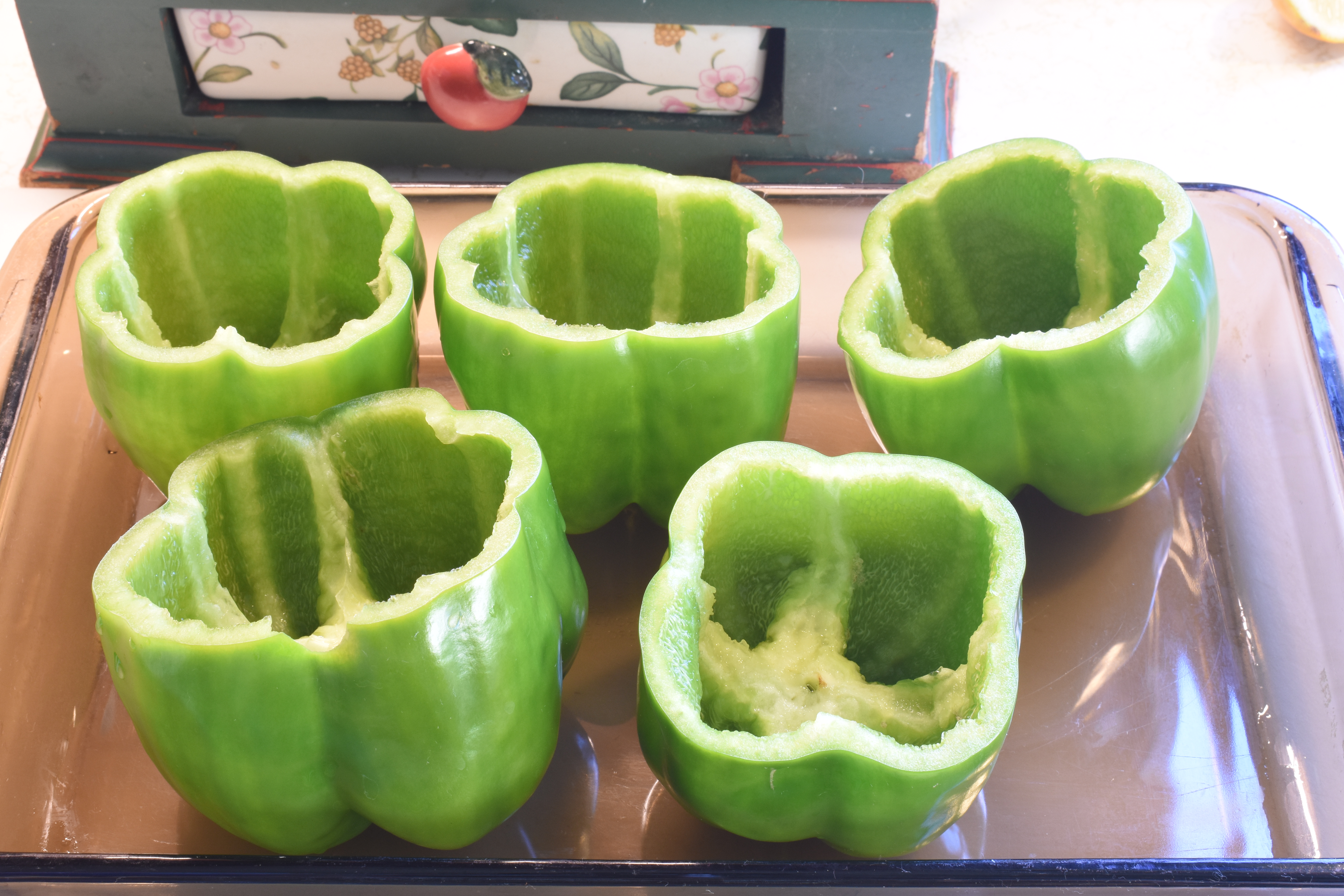
If bell peppers are thick walled, blanch first for 2 minutes after cutting the tops off.
On medium low heat sauté green bell, celery and onion. Add the meat and mix. Mix the remaining ingredients, salt and pepper and mix well.
Mix the tomatoes and paste and brown sugar on the side. Retain a half cup of tomato mix (left over tomato mix), Add everything but the cheese mix in a big pot.
Stuff the pepper. Cover with the tomato mix. Place peppers in the frig overnight.
Add the chicken broth with left over tomato and pour on the bottom of the baking pan.
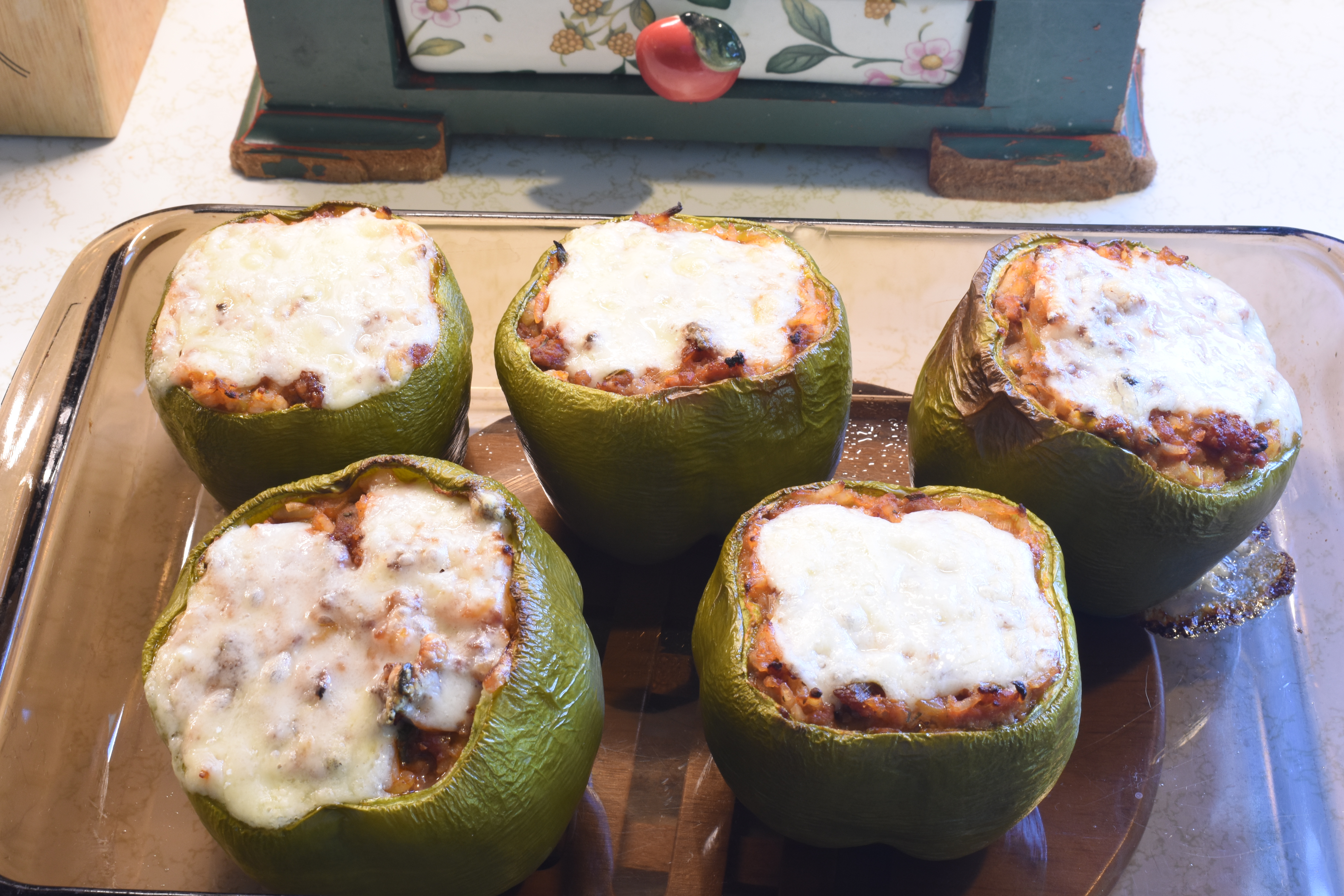
Bake 45 minutes at 400° covered in aluminum foil. Add the cheese on top and bake another 15 minutes without the foil.
My mom was Cajun, born in south Louisiana near Baton Rouge and spoke mostly French until she was in the first grade. Her descendants came from France, not Canada. However, many Cajuns did come from Canada hence Acadian (Canada) or Cajun. They were essentially thrown out of Canada by the English and settled in south Louisiana. Creoles mostly live in New Orleans and their heritage is from Italy, Spain, Africa, Germany, Caribbean, Native American, and Portuguese. There is a difference. Cajun food is more traditional French cooking and Creole adds more spice, peppers and tomatoes. Both are Louisiana in equal measure. NeoCreole is another layer different in that they are Creole plus seafood and all the current cooking styles and in my view probably the most memorable of styles of cooking. It is anything and everything and lots of it. It is not primarily a black or white thing. It is the true melting pot – literally. All are perfect but there are NeoCreole these days knocking the ball out of the park – total goodness. See Rosalyn and Dizzy’s. Love them too much. https://www.youtube.com/watch?v=BdFJ5k7hxsY
In the early days all land east of the Mississippi River was part of the Spanish West Florida Territory and ruled by Spain. The French Territory west of the river was ruled by France. However, the iron railings and arch doors in New Orleans are Spanish architecture.
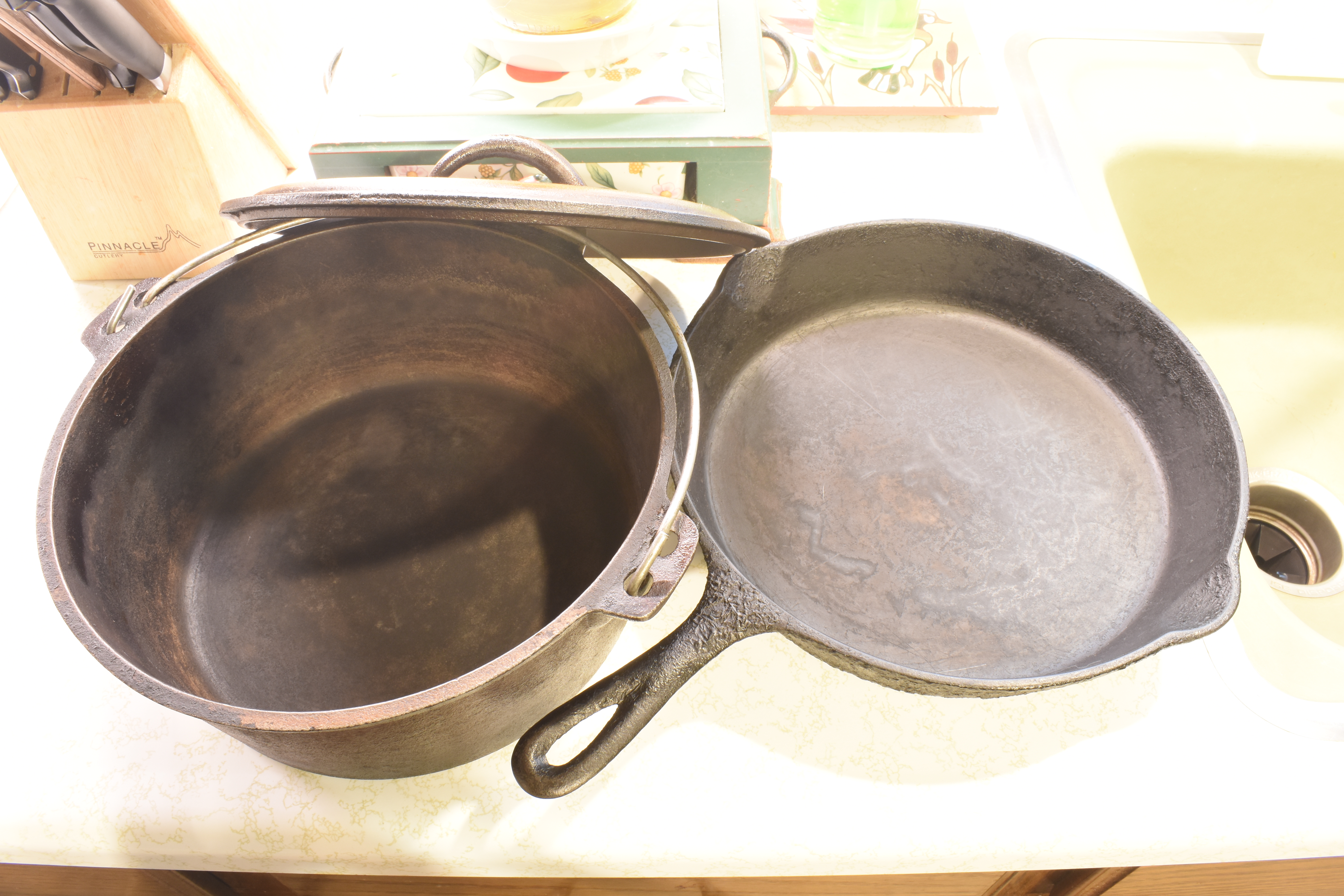
In the old days the Cajuns had to hunt for meat. They grew crops like corn and okra, but the food was more roux gravy rather than spice and heat. Not much spice and heat available further up the river. They had to be able to take a duck and make something good. This usually involved flour. These dishes were cooked over a wood fire in cast iron. I have my grandma’s cast iron skillet that must be 100 years old and is still killing it. As it turns out this is the healthiest pan to cook on. The non-stick and aluminum can be bad for your body. This pan is so old it doesn’t have the manufacturing stamp on the bottom. It also has a lot of pits on the side when she rested it over hot coals and the water droplets pitted the handle and sides. I also have my most used pot an iron Dutch oven that is also from Louisiana and it also does not have a stamp. They are the best non-stick as they are seasoned just right. It takes nothing to clean either except a few extra muscles because they are heavy.
When it comes to gumbos every house has a different gumbo. My aunt makes the best Creole Gumbo I ever ate. I videotaped her making gumbo just to preserve it. Her gumbo is a Creole style gumbo with okra and tomatoes. Her sister, my mom, made a traditional gumbo without tomatoes and okra and she added Filé powder with Tasso (a Cajun ham). That was good too. Turns out Filé powder is a little on the carcinogenic side. Oops!
Did I mention New Orleans also has a rich Italian and German cooking culture? In fact, Andouille sausage, a spicy New Orleans sausage, was first made by Germans who settled along the Mississippi river. Remember, New Orleans was founded in 1718. The pilgrims landed in 1620. New Orleans was established by French explorers Iberville and Bienville. It is truly still one of the most cosmopolitan places in North America (Cosmopolitan: Including or containing people from many different countries.)
I think most of New Orleans is influenced more by Caribbean settlers. There, a lot of peppers and other seasonings that were imported.
Finally, the French start a dish with a sauté called a Mirepoix, which is sautéed chopped onion, carrots and celery. The sugars are released into the food. The Italians call it a Sofrito the same as the French but sauté with olive oil instead of butter. The Germans call it a Suppengrün, which uses leeks instead of onions. New Orleans uses what is called a Trinity, which is chopped onion, green pepper and celery. Seems like small changes but they make a world of the difference when creating initial aromatics. The Trinity will always be my heart and soul of aromatics. Trinity means three but some folks add even four or five herbs. When we get to five herbs I think that would be called a pentad. Not trying to be a smart ass. Just sayin’.
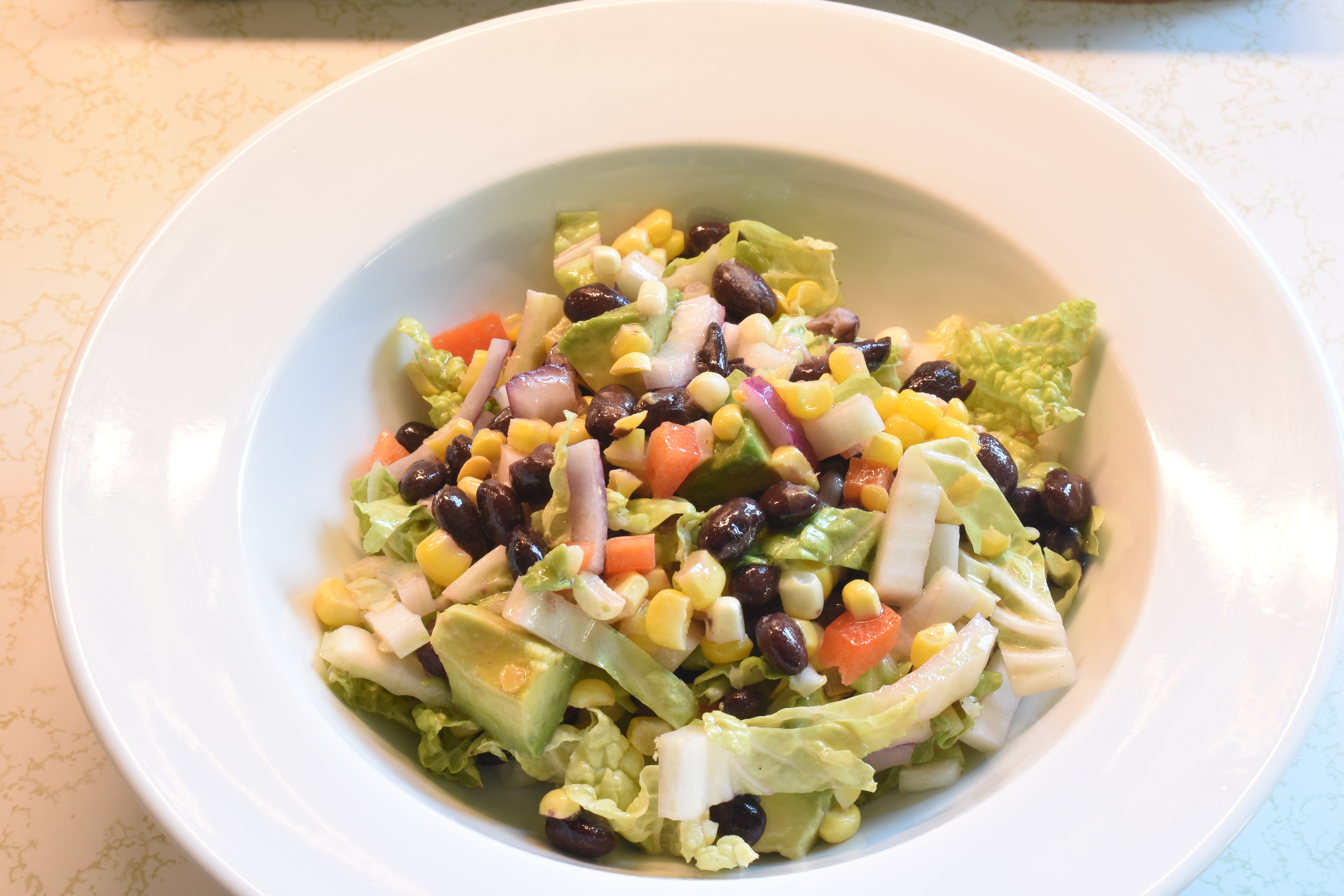
1-15 oz. can of black beans, rinsed and drained 2 ears of fresh corn, shucked ½ red bell pepper, sliced and chopped 1 clove garlic, minced ½ shallots, sliced thin 1 avocado, cut into small squares 2 or 3 leaves of Napa cabbage sliced thin ½ cup of chopped cilantro ¼ cup of olive oil 1 TBSP dry red wine 1 TBSP vinegar 2 TBSP fresh squeezed lime juice Or variations of veggies or other things
Add every ingredient to the bowl. Mix the olive oil, vinegar, wine, lime juice and garlic in a bowl and add to the salad. Toss and serve.
1 large zucchini, grated (I used a food processor) ¼ onion, chopped finely 3 eggs, beaten ½ cup grated Parmesan cheese ¼ cup milk 1 cup (126 gr.) AP flour S&P Garlic powder Onion powder 1 group of fresh parsley chopped or a little dried parsley ¼ cup oil, add as needed Sour cream
Combine all in a large bowl.
In a skillet heat the oil on medium heat and spoon two TBSP of zucchini mixture as 1 fritter. Fry until brown on both sides. Add oil as needed and fry the rest.





 Ducks Mahal